Research Focus Areas
AI for Quantum Computing
We develop AI-driven algorithms to tackle critical challenges across the quantum-computing stack, from neutral-atom array assembly and quantum error correction to compilation, control, and experimental data analysis.
AI Agents for Quantum Experiments
We connect AI agents with laboratory control systems, data pipelines, and scientific workflows to support human-supervised automation, real-time monitoring, and closed-loop optimization.
AI for Quantum Sensing and Precision Measurement
We investigate how AI can improve signal extraction and suppress noise in quantum sensing and precision measurement, with potential applications in scientific research and healthcare.
Quantum Computing for AI
We investigate new algorithms and computational primitives that quantum computing could offer next-generation AI, evaluating their potential through theory, simulation, and proof-of-concept systems.
About IQI
Company overview video (Chinese)
Intelligent Quantum Inception (IQI) was founded as a joint venture between iFLYTEK and Qosmos to bring artificial intelligence and quantum technology together.
Our Chinese name, 量智开物, combines “quantum” and “intelligence” and alludes to the classical Chinese ideal of understanding how things work and putting that knowledge into practice. It reflects our ambition to turn frontier research into practical technology.
We conduct original research and develop core algorithms across quantum computing, laboratory automation, and precision measurement, with an emphasis on system-level engineering and validation. We also explore how quantum computing could enable new capabilities for future AI.
Publications
Recent Publications (2026)
AI-Enabled Decoding of Qubit Loss for Quantum Error-Correcting Codes
Our spatiotemporal graph neural network decoder simultaneously corrects Pauli errors and identifies qubit loss, supporting scalable error correction on neutral-atom quantum processors.
An Algorithm for Fast Assembling Large-Scale Defect-Free Atom Arrays
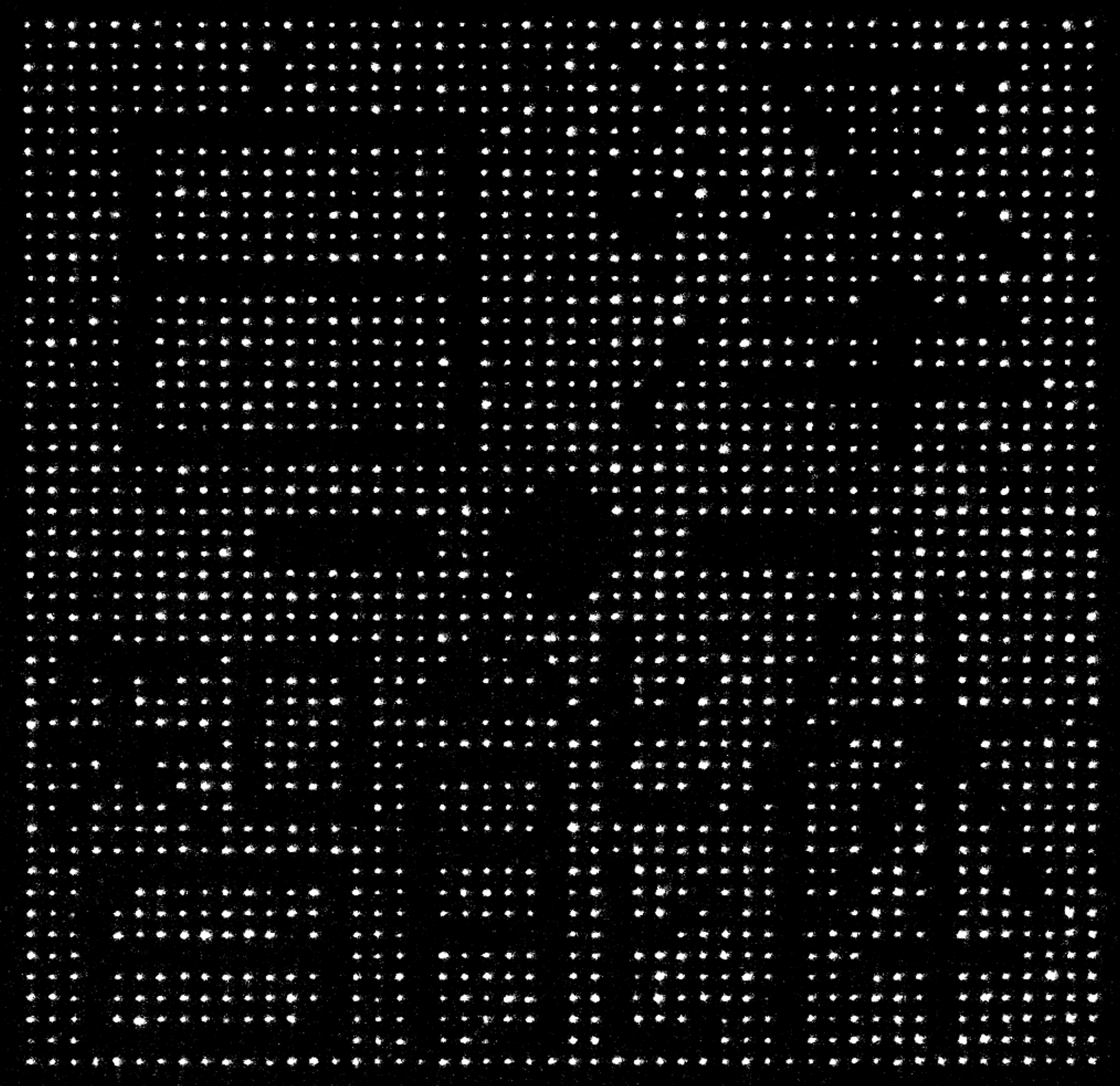
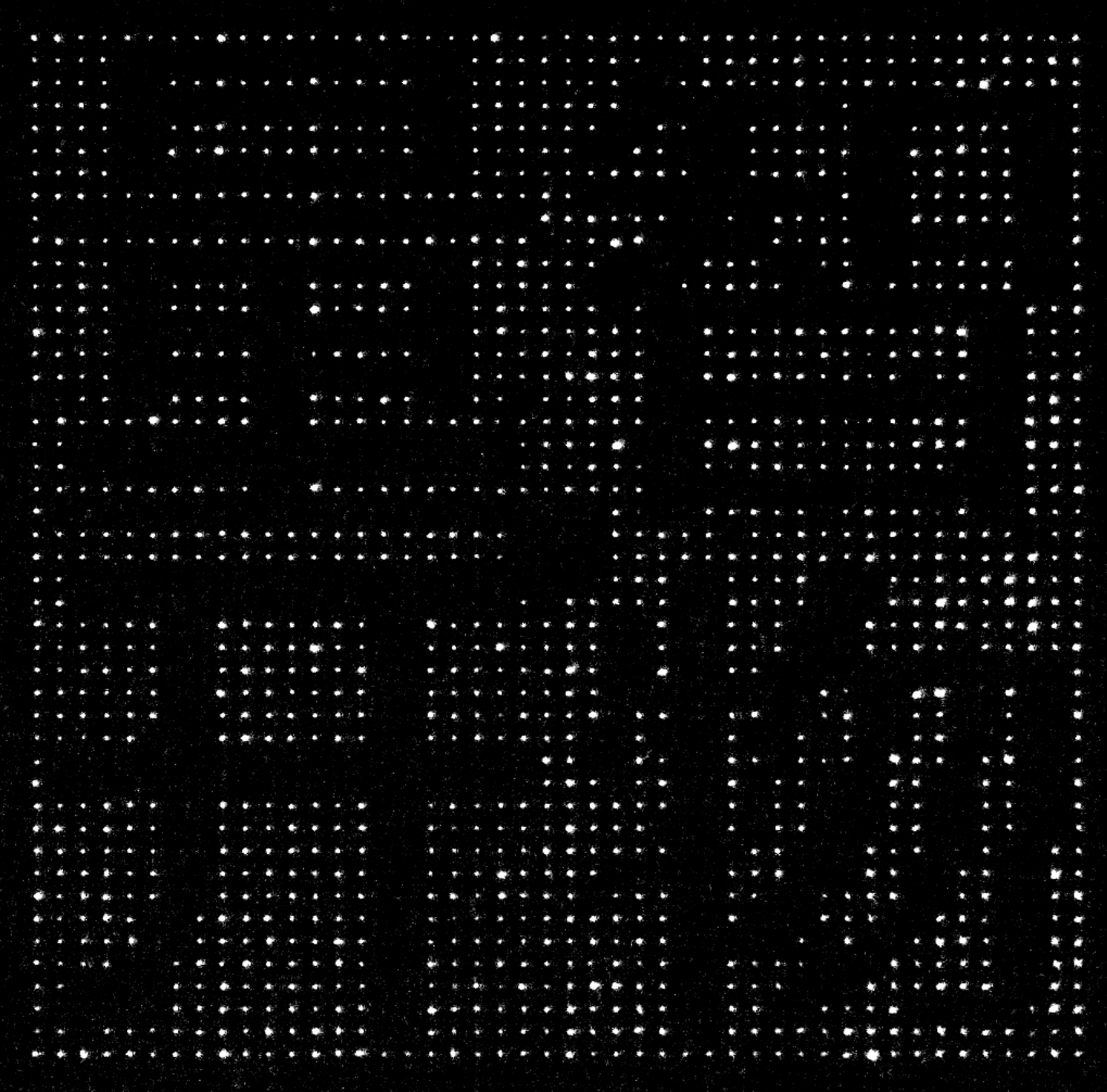
A unified AI-enabled framework for path planning and optical-potential generation, designed to assemble defect-free neutral-atom arrays at the 10,000-atom scale.
| Title | Journal | Year | Citations |
|---|---|---|---|
| Noise enhanced neural networks for analytic continuation | Machine Learning: Science and Technology 3 (2), 025010 | 2022 | 17 |
| Expressivity of quantum neural networks | Physical Review Research 3 (3), L032049 | 2021 | 72 |
| Scrambling ability of quantum neural network architectures | Physical Review Research 3 (3), L032057 | 2021 | 45 |
| Active learning algorithm for computational physics | Physical Review Research 2 (1), 013287 | 2020 | 27 |
| Modified independent component analysis for extracting Eigen-Modes of a quantum system | Machine Learning: Science and Technology | 2020 | 3 |
| Information scrambling in quantum neural networks | Physical Review Letters 124 (20), 200504 | 2020 | 83 |
| Active learning approach to optimization of experimental control | Chinese Physics Letters 37 (10), 103201 | 2020 | 26 |
| Machine learning identification of impurities in the STM images | Chinese Physics B 29 (11), 116805 | 2020 | 12 |
| The quantum cocktail party problem | Science China, Physics, Mechanics & Astronomy. 63, 250362 | 2019 | 3 |
| Emergent Schrödinger equation in an introspective machine learning architecture | Science Bulletin 64 (17), 1228-1233 | 2019 | 33 |
| Machine learning of frustrated classical spin models (II): Kernel principal component analysis | Frontiers of Physics 13 (5), 130507 | 2018 | 64 |
| Machine learning topological invariants with neural networks | Physical Review Letters 120 (6), 066401 | 2018 | 345 |
| Visualizing a neural network that develops quantum perturbation theory | Physical Review A 98 (1), 010701 | 2018 | 1 |
| Deep learning topological invariants of band insulators | Physical Review B 98 (8), 085402 | 2018 | 101 |
| Machine learning of frustrated classical spin models. I. Principal component analysis | Physical Review B 96 (14), 144432 | 2017 | 195 |
Latest News
IQI Co-Hosts the 2026 Intelligent Quantum Summit in Beijing
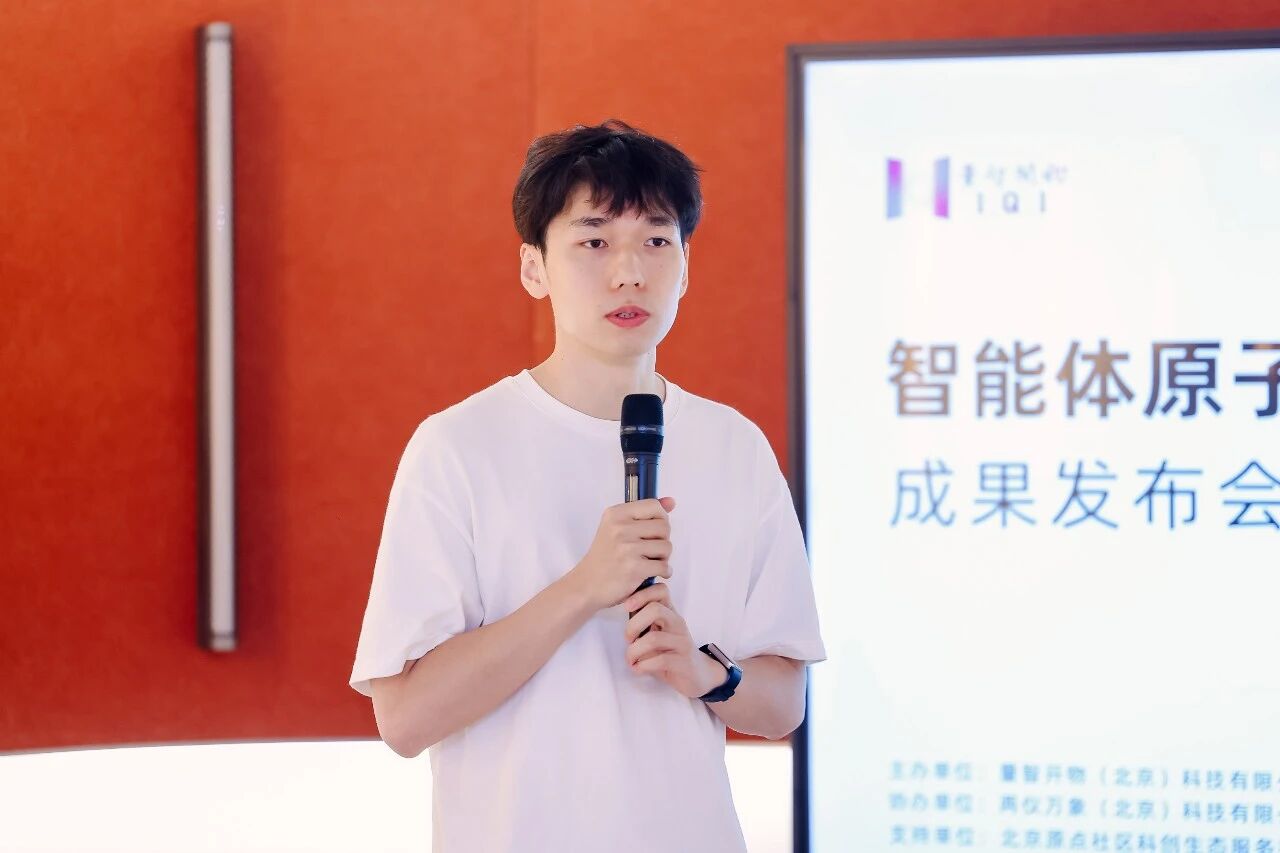
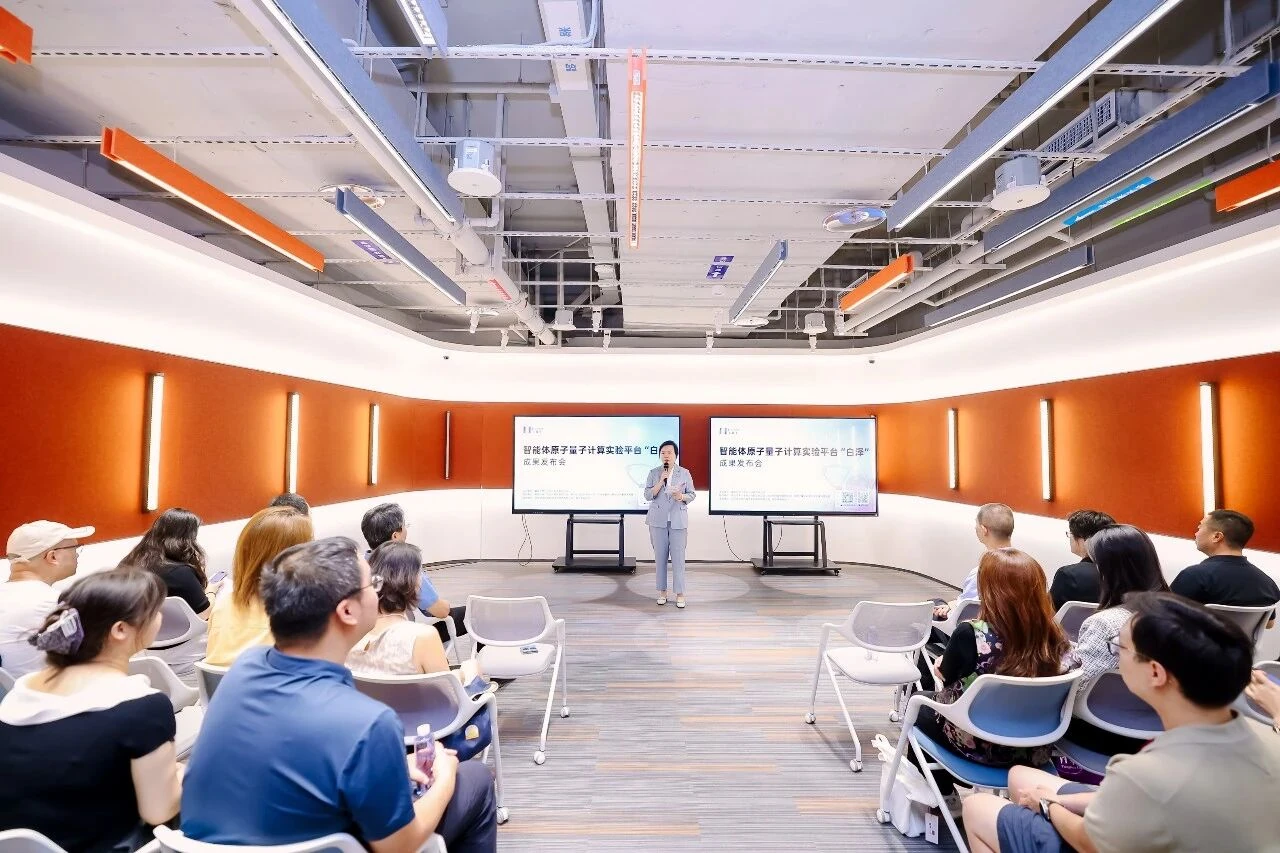
The 2026 Intelligent Quantum Summit took place at the Zhongguancun Exhibition Center in Beijing on April 22. Co-hosted by IQI, iFLYTEK, Qosmos, and the Institute for Advanced Study, Tsinghua University, the event brought together more than 100 representatives from government, academia, and industry to explore emerging opportunities at the intersection of AI and quantum technology.
IQI Unveils “Zhuifeng” and “Bian Que,” Two AI Algorithms for Neutral-Atom Quantum Computing
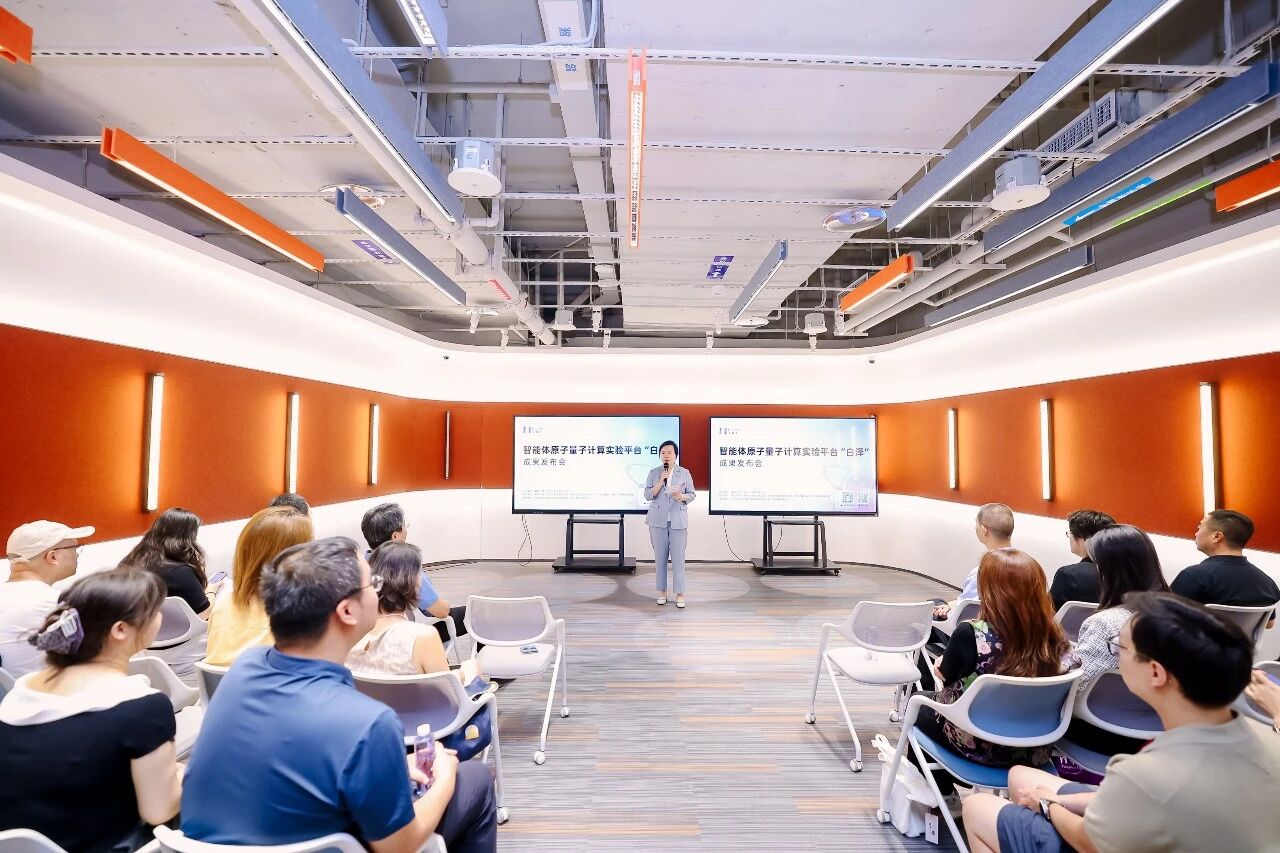
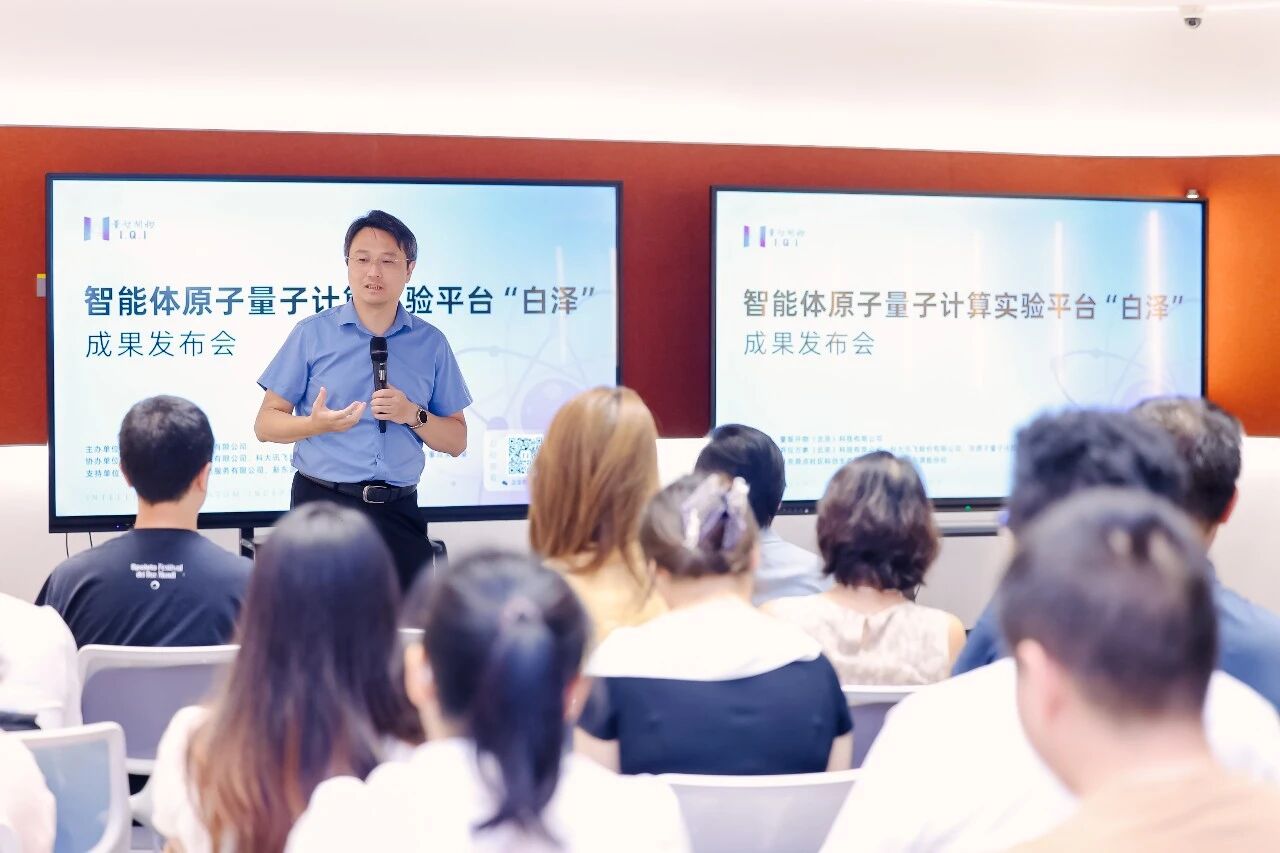
Working with researchers at Tsinghua University and iFLYTEK, IQI developed two algorithms for neutral-atom quantum computing. Zhuifeng enables the rapid assembly and rearrangement of neutral-atom arrays at the 10,000-atom scale. Bian Que is an AI-enabled decoder that handles both Pauli errors and qubit loss for quantum error correction on neutral-atom platforms.
iFLYTEK and Qosmos Form IQI to Advance AI–Quantum Research
Founded by iFLYTEK and Qosmos in Beijing’s Haidian District, IQI brings AI researchers, quantum scientists, and engineers together to develop new algorithms and systems at the intersection of AI and quantum technology.
Media Coverage
The linked articles are in Chinese; the English headlines below are unofficial translations.
2027 Graduate Opportunities at IQI
Location: Haidian District, Beijing
Openings in AI research, quantum theory and algorithms, AI agent software engineering, and interdisciplinary AI–quantum research.
About IQI
IQI was founded by Qosmos and iFLYTEK to bring AI and quantum technology together.
We apply AI to scientific and engineering problems in quantum research and explore how quantum computing may open new paths for future AI.
Grow with IQI
- Tackle consequential scientific and engineering problems with long-term impact.
- Work across AI, quantum theory, software, and experimental science.
- Learn through hands-on mentorship and take on broader ownership over time.
- Help shape the technology roadmap and engineering culture of an early-stage team.
Open Positions
🧠 AI Research Scientist / Research Engineer Hide details
Who Should Apply: Bachelor’s, master’s, and doctoral candidates graduating in 2027 are welcome to apply. Outstanding current students may apply for internships.
Responsibilities
- Apply AI algorithms and methods to scientific and engineering problems in quantum technology.
- Take end-to-end ownership of a clearly defined problem or algorithmic component, from problem formulation and dataset development through model training, evaluation, and system validation.
- Work with quantum theorists, experimental physicists, and software engineers to translate real-world requirements and constraints into computationally tractable and testable solutions.
- Stay current with advances in AI, assess when new methods are appropriate, and put promising approaches into practice.
Qualifications
- Background in artificial intelligence, computer science, software engineering, mathematics, statistics, automation, physics, or a related field.
- A solid foundation in machine learning, deep learning, optimization, or probability and statistics.
- Proficiency in Python and at least one common framework such as PyTorch or JAX.
- At least one research, course, competition, or engineering project in which you can clearly explain your individual contribution.
- Strong communication, teamwork, problem-solving, and self-directed learning skills.
Prior experience in quantum computing or physics is not required. Project mentors will help you build the necessary domain knowledge, starting with well-scoped algorithmic tasks.
⚛️ Quantum Theory & Algorithms Research Scientist / Research Engineer View details
Who Should Apply: Master’s and doctoral candidates graduating in 2027 are welcome to apply. Outstanding undergraduates and other currently enrolled students may also apply.
Responsibilities
- Conduct theoretical modeling, algorithm design, and numerical research in quantum computing and at the intersection of quantum technology and AI.
- Identify key variables and constraints in physical problems and formulate computationally tractable and testable theoretical models or algorithms.
- Own a well-defined research question or simulation module, including literature review, solution design, implementation, analysis, and technical documentation.
- Collaborate with AI researchers, experimental physicists, and software engineers to validate algorithms on experimental systems.
Qualifications
- Background in physics, quantum information, mathematics, or a related field.
- A solid foundation in quantum mechanics, linear algebra, and numerical computing.
- Ability to use at least one language, such as Python, Julia, or C++, for simulation or algorithm validation.
- At least one research or technical project in which you can clearly explain your individual contribution.
- Ability to read technical literature in English, learn independently, and collaborate effectively.
Prior AI research experience is not required. We place greater emphasis on strong fundamentals, independent problem-solving ability, and a willingness to learn new methods.
🧩 Software Engineer, AI Agents for Quantum Experiment Control View details
Who Should Apply: Bachelor’s, master’s, and doctoral candidates graduating in 2027 are welcome to apply. Outstanding current students may apply for internships, and experienced professionals are also welcome to apply.
Role Focus: This role centers on the reliable integration of AI agents with neutral-atom experiment-control software and real laboratory workflows. It is not focused on general-purpose chatbots, embodied-AI systems, robotic perception-and-planning algorithms, or standalone model training.
Responsibilities
- Help design and build the core software for an AI agent platform for quantum experiments, integrating AI models, agents, and tools with existing experiment-control systems.
- Turn experimental devices, control programs, data-analysis routines, and recurring operations into callable, composable, and verifiable tools and workflows.
- Build capabilities for state management in long-running tasks, authorization and safety checks, logging, failure recovery, result validation, and human oversight.
- Work with neutral-atom experimentalists and AI researchers from requirements gathering and prototyping through deployment in the laboratory.
Qualifications
- Background in computer science, software engineering, automation, control engineering, electrical engineering, electronic engineering, or a related field.
- Proficiency in Python and the ability to design, develop, test, and debug a software module independently.
- Familiarity with Linux, Git, API design, logging, and testing, along with an understanding of state management, concurrency, and software reliability.
- Interest in AI agents, research software, and laboratory automation.
- Ability to distinguish probabilistic model decisions from deterministic control logic, with close attention to access control, confirmation workflows, rollback, auditability, and human override.
Prior experience in quantum computing or atomic physics is not required.
🔬 Research Intern — AI & Quantum View details
Who Should Apply: Upper-level undergraduates and current master’s or doctoral students. We generally expect a commitment of at least three consecutive months. Remote work may be possible for some projects.
Responsibilities
- Join a project in AI algorithms, quantum theory and algorithms, or AI agent software for quantum experiments, depending on your background.
- Take on well-scoped tasks under project mentorship, such as reproducing published results, running model experiments or numerical simulations, analyzing data, or developing software modules.
- Participate in project discussions, produce reusable code, experimental results, or technical documentation, and gradually take ownership of broader problems.
Qualifications
- A strong foundation in at least one of the following areas: AI, computer science, mathematics, physics, or automation.
- Familiarity with Python or tools relevant to your chosen direction, supported by coursework, competitions, research, or personal projects.
- Ability to maintain a consistent time commitment, work proactively, and communicate progress and roadblocks promptly.
- Interest in AI and emerging technologies, with a willingness to learn new fields through hands-on work.
Interns receive project-based mentorship. Outstanding interns may be considered for future full-time roles, subject to hiring needs.
How to Apply
- Application Materials: Resume; optional supporting materials may include publications, code repositories, project reports, or portfolio links.
- Email Subject: Name – University – Major – Position – Graduation Date
- Email: iqitek@163.com
Recruitment Process
- Application Review
- Technical Discussion
- Final Interview
- Offer
Website: www.iqitek.com/en/
Help Shape the Future of AI and Quantum Technology